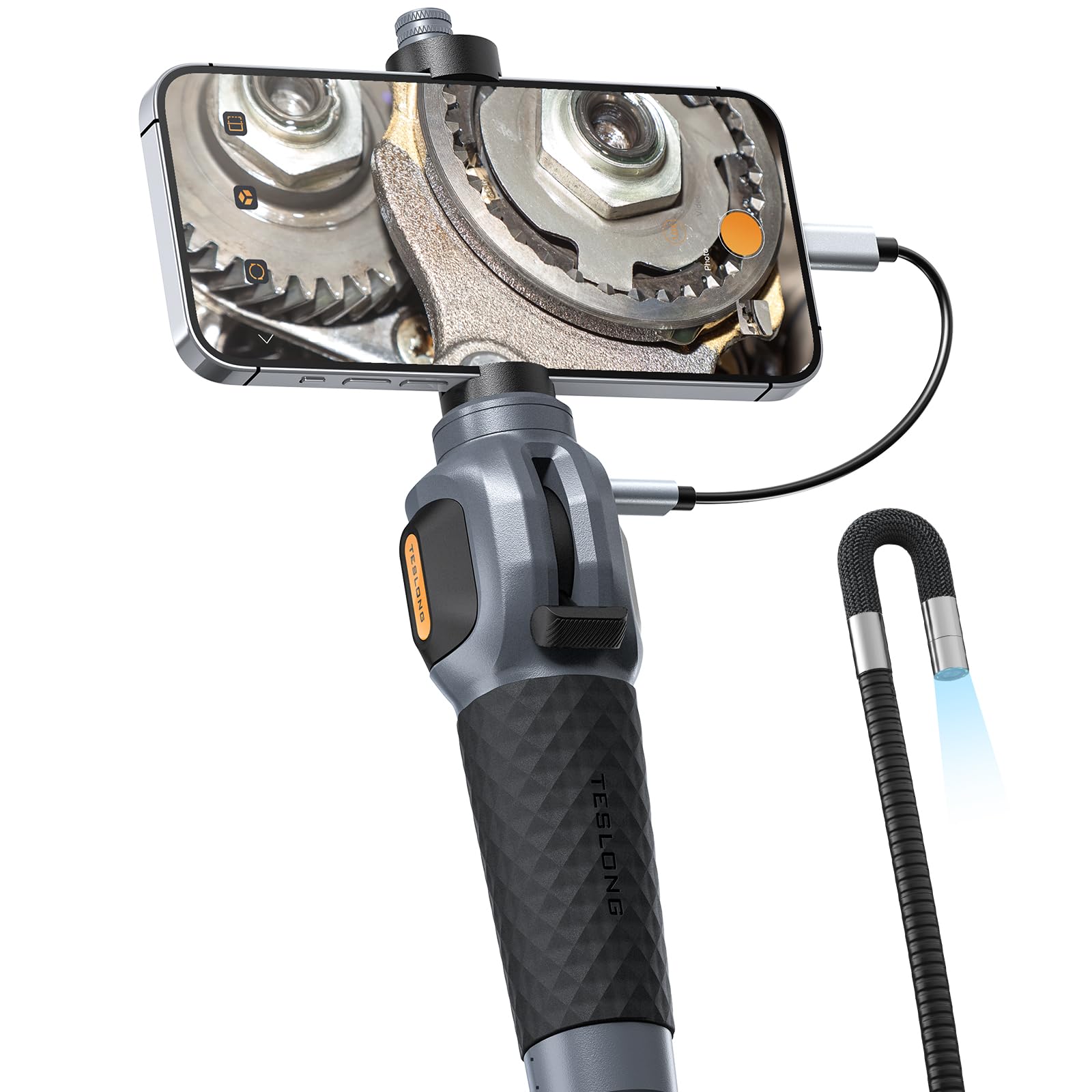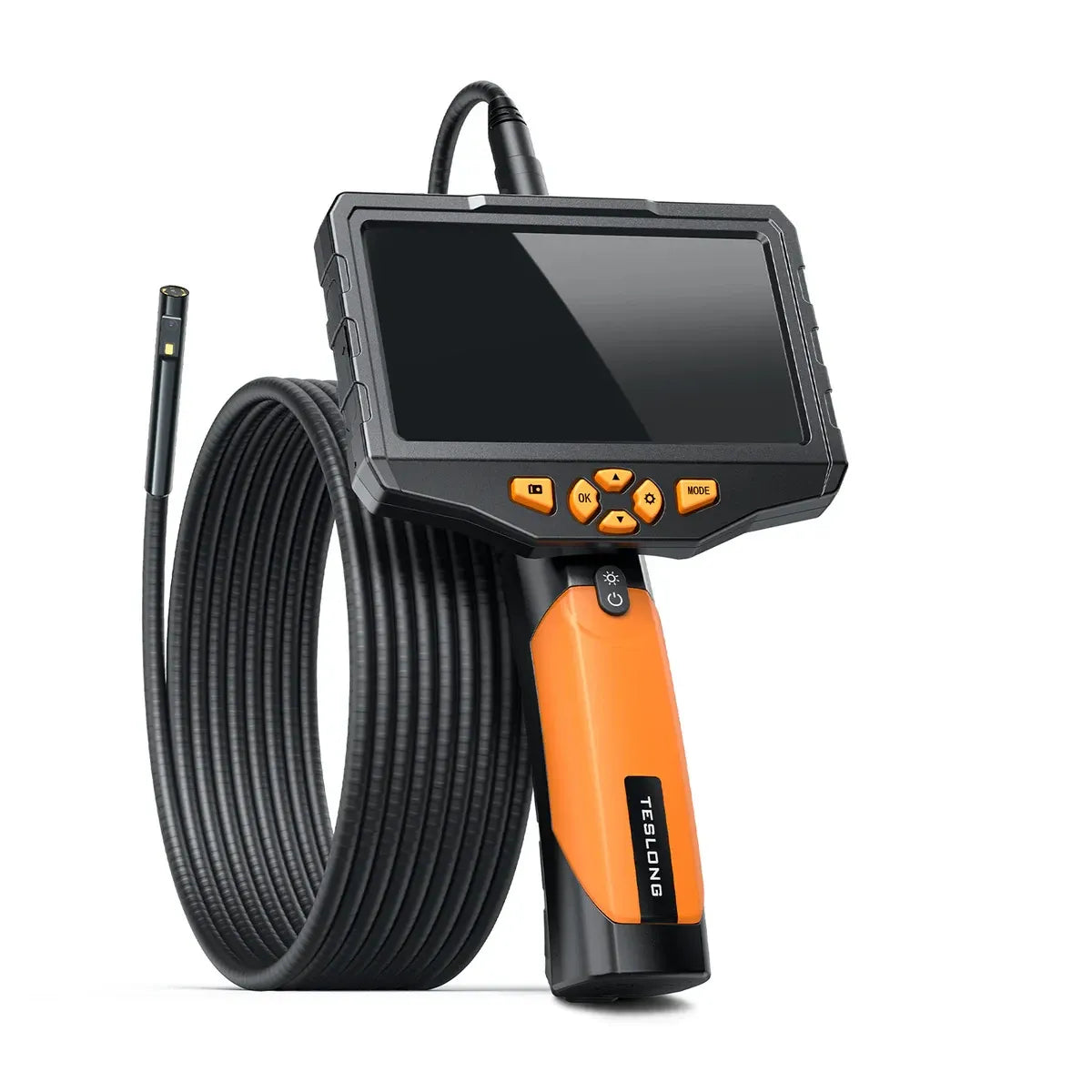
For short open spaces, prioritise aiming and shape control. For pipes, judge the head and cable together. The full reel length is not a demonstrated reach.
Three jobs, three handling demands
Holding a camera behind a basin, crossing an open cavity and advancing through a drain demand different behaviour. A soft lead can follow a supported route but may droop in free space. A shape-holding cable can help position a short-range probe. A drain push rod is designed for feeding along a pipe, but must still negotiate the actual route.
Labels such as semi-rigid are not a complete measurement of feel, spring-back or steering. Compare demonstrations of the task you intend to carry out. The biggest reel is not automatically the easiest camera to use beneath a kitchen sink.
More length can create more work
The Drive found its Depstech wireless camera's 11.5-foot cable cumbersome during automotive use. Digital Camera World described the Bosch UniversalInspect's 0.95 m shape-holding cable favourably for a close-access basin task. These observations explain why appropriate length can matter more than maximum length.
The Gadgeteer tested how far a WiFi probe could stand unsupported and recorded an approximate limit for that sample. A similar demonstration, showing the head, the unsupported section and the working position, is more informative than a generic claim that the cable holds its shape.
Assess the head and cable as one assembly
A flexible lead cannot compensate for a long rigid head at a tight bend. A small head does not guarantee that the lead can push it far enough. Any centring accessory, shoulder or steering mechanism changes the assembly you are trying to position.
HighTechDad's sewer-camera test stopped at dirt and debris under a concrete foundation. That review does not demonstrate full-length travel or a repeatable bend limit. When a listing states a reel length, read it as the available cable unless a documented route and achieved inspection distance are also provided.
A practical handling check
For a home inspection, test positioning in a visible, recoverable space first. Can you point the lens without continually touching the head? Can you hold the target steady? Does the camera rotate when the cable moves? Check the saved image at the same time, because good cable control is only useful if the detail is visible.
Stop when feeding or retrieval meets unexpected resistance. Do not use a camera cable to clear a blockage, and do not assume a rating for the camera head applies to the screen, connector or control unit. Follow the device instructions for moisture exposure, cleaning and bend limits.
Sources & further reading
These are external published reviews or specialist guidance. Their observations are attributed; they are not our own physical tests. Source availability and hardware may change.